Green Kakuma Vegetable Farming (GKVF): Growing Resilience in Kakuma Refugee Camp.
Introduction
Agriculture remains one of the most important livelihood activities in Kakuma Refugee Camp. For many refugee families—especially women—vegetable farming is not just a source of food, but a pathway to dignity, income, and self-reliance. However, persistent challenges such as water scarcity, limited resources, and low access to agricultural education continue to threaten farming livelihoods.
The Green Kakuma Vegetable Farming (GKVF) project was developed to respond to these challenges by strengthening water access, improving farming skills, and building sustainable market linkages for refugee farmers.
Background and Problem Statement
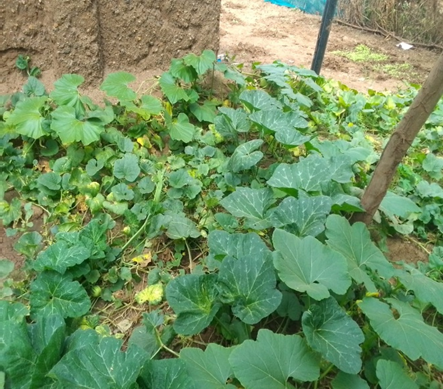
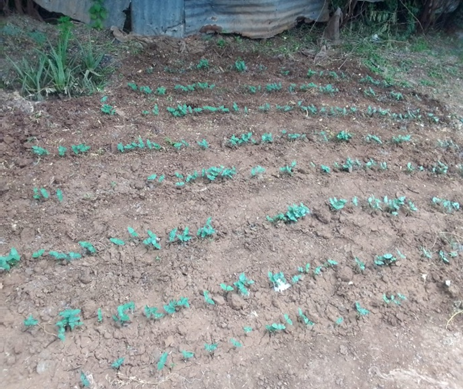
Kakuma Refugee Camp experiences severe water shortages, particularly during the dry season from March to June. Most smallholder farmers lack water tanks and irrigation systems, making it extremely difficult to sustain crops throughout the year.
As a result:
- Crops fail before harvest
- Farmers abandon their farms
- Household food insecurity increases
- Income opportunities are lost
For instance, Tia Koi Farm, one of the 95 active farms in Kakuma, has experienced complete crop loss due to the absence of water storage facilities. This situation is not unique—many farms across the camp face similar constraints. Combined with limited farming knowledge and inadequate educational support, these challenges significantly reduce productivity and resilience.
The GKVF project seeks to turn this situation around by introducing reliable water solutions, climate-smart agriculture, and practical livelihood education.
Project Goal and Objectives
Overall Goal
To enhance food security, improve farmer livelihoods, and promote sustainable vegetable farming in Kakuma Refugee Camp through improved water access, farming skills, and market linkages.
Specific Objectives
- Promote sustainable farming practices through training on crop rotation, composting, organic pest control, and water conservation
- Increase farm productivity by providing quality seeds, water tanks, drip irrigation systems, and ongoing technical guidance
- Improve access to markets through partnerships with retailers, cooperatives, and local buyers
- Strengthen farmers’ financial literacy to support income management, savings, and reinvestment
Target Participants
Direct Beneficiaries
- 200 single mothers (ages 25–45): Training in vegetable farming, water management, and financial literacy
- 95 active farmers: Provision of water tanks, farming inputs, and mentorship
Indirect Beneficiaries
- 200 school-dropout mothers (over two years): Gaining new livelihood skills
- 100 parents and guardians: Training on farming, water conservation, and household food security
- 15 community leaders: Capacity building in conflict resolution and peacebuilding around shared resources
- 15 teachers and educators: Equipped to deliver inclusive farming education and risk management
Project Description and Implementation Plan
The GKVF project builds on previous farming training initiatives that supported more than 50 farmers, including persons with disabilities. This new phase expands the work while directly addressing the critical challenge of water scarcity.
Stage 1: Community Inclusion and Needs Assessment
- Community meetings with farmers, parents, and leaders
- Identification of water challenges and training gaps
- Mapping of the 95 farms requiring water tanks and irrigation support
Stage 2: Resource Allocation and Program Design
- Development of literacy, sustainable farming, and financial education modules
- Distribution of water tanks, drip irrigation systems, and farming tools
- Construction and renovation of learning spaces for training activities
Stage 3: Research, Pilot, and Adaptation
- Pilot implementation in selected farms in Kakuma Zone 3
- Continuous feedback collection and learning
- Promotion of climate-smart and adaptive farming techniques
Stage 4: Evaluation and Scale-Up
- Measurement of crop yields, participation levels, and water efficiency
- Expansion of successful approaches to remaining farms
- Strengthening partnerships for long-term water access solutions
Monitoring and Evaluation (M&E)
Key Performance Indicators
- Farmer attendance and participation in training sessions
- Increase in crop yields and overall farm productivity
- Number of functional water tanks installed
- Reduction in farming dropout rates
M&E Activities
- Baseline survey prior to project implementation
- Weekly monitoring by project staff and educators
- Monthly progress reports documenting achievements and challenges
- Mid-term and final evaluations against baseline data
- Final learning report with recommendations for scale-up
Organizational Capacity
Voice for Equity brings strong experience in community development, farming education, mentorship, and program management.
Project Team
- Project Manager: Overall coordination and partnerships
- Educational Specialists: Deliver training in farming, literacy, and water management
- Community Outreach Coordinators: Community mobilization and feedback collection
- M&E Team: Data collection, analysis, and reporting
Accountability and Transparency
- Robust financial management systems
- Regular donor and stakeholder reporting
- Tracking of all resources distributed to farmers
Stakeholder Engagement
- Regular meetings with farmers, parents, community leaders, and partners
- Collaboration with RLOs, CBOs, NGOs, and market actors
- Feedback channels through suggestion boxes, WhatsApp groups, and community forums
- Community events and awareness workshops on sustainable farming
Sustainability Strategy
To ensure long-term impact, the project will:
- Build partnerships with educational institutions and farmer groups
- Establish durable water systems (tanks and irrigation)
- Create peer-to-peer learning and ongoing farmer workshops
- Form a Peace and Conflict Resolution Committee to manage shared resources
- Continue mentorship and follow-up beyond the project period
Two-Year Target Reach:
- 200 farmers
- 100 parents
- 15 community leaders
- 15 teachers
Safeguarding and Protection
Voice for Equity upholds strong safeguarding standards to protect all participants:
- Clear safeguarding and protection policies
- Mandatory safeguarding training for staff
- Enforced code of conduct
- Confidential reporting mechanisms
- Safe recruitment procedures with background checks
Farmers’ dignity, safety, and rights remain central to all project activities.
Conclusion
The Green Kakuma Vegetable Farming (GKVF) project offers a transformative pathway toward food security, women’s empowerment, and sustainable livelihoods in Kakuma Refugee Camp. By combining water access, climate-smart agriculture, education, and strong community partnerships, the initiative aims to build resilient farming communities that can thrive despite challenging conditions.
Through this project, farming becomes more than survival—it becomes a foundation for long-term stability and hope.